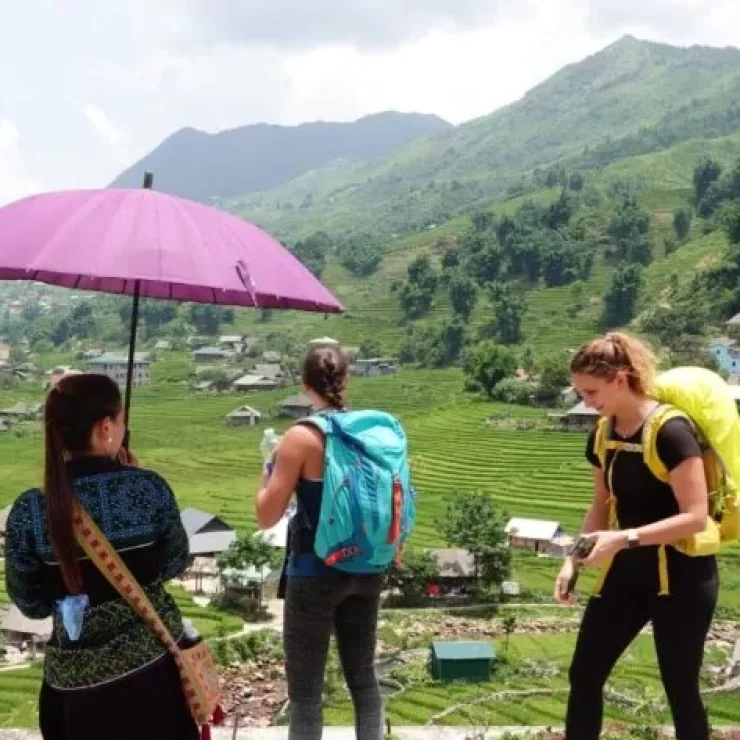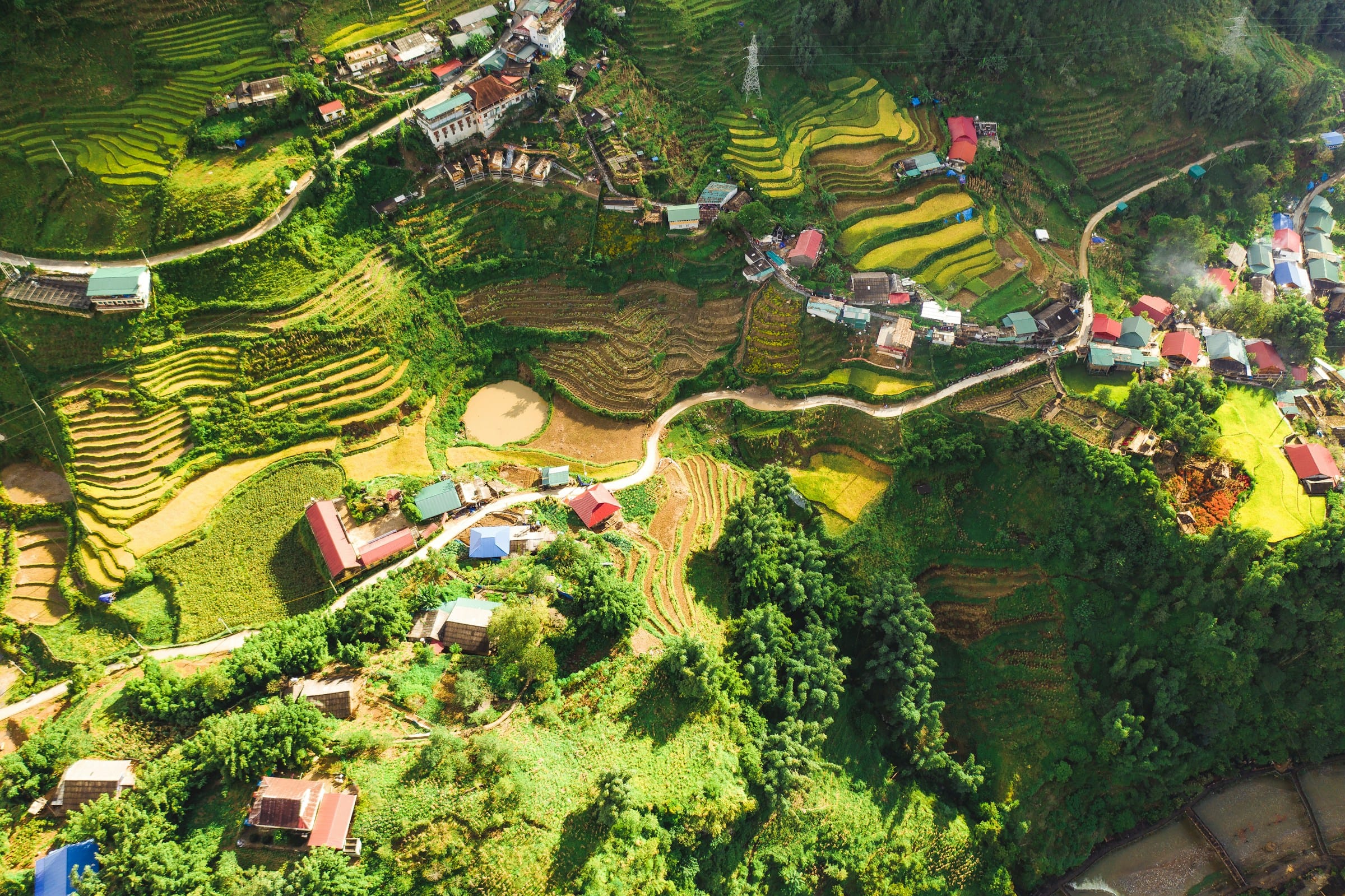
Nestled in the misty mountains of Lao Cai Province, near the border with China, Sapa is one of Vietnam’s most enchanting destinations—a place where emerald rice terraces cascade down steep valleys, ethnic minority villages thrive with centuries-old traditions, and the air hums with the quiet rhythm of mountain life. For travelers seeking adventure, cultural immersion, and natural beauty, Sapa tours offer an unforgettable journey into the heart of northern Vietnam.
Whether you’re a solo backpacker, a photography enthusiast, a family traveler, or a luxury explorer, this comprehensive, SEO-friendly guide covers everything you need to know about planning the perfect Sapa tour—from trekking routes and homestay experiences to transportation options, seasonal tips, and ethical travel practices.
Why Sapa? More Than Just Scenic Views
Sapa isn’t just famous for its postcard-perfect landscapes—it’s a living cultural mosaic. Home to five major ethnic minority groups—including the Hmong, Dao (Yao), Tay, Giay, and Xa Pho—the region offers rare opportunities to witness traditional weaving, indigo dyeing, farming rituals, and vibrant weekly markets.
Unlike many tourist hotspots, Sapa still retains an authentic charm, especially when you venture beyond the town center into remote villages like Cat Cat, Ta Van, Lao Chai, Ta Phin, and Sin Chai. And with the completion of the Hanoi–Lao Cai expressway and modernized train services, Sapa is now more accessible than ever—without sacrificing its serene, off-the-beaten-path appeal.
Top Types of Sapa Tours: Choose Your Adventure
1. Classic 2–3 Day Group Trekking Tours
- Best for: Budget travelers, solo adventurers, first-time visitors
- Itinerary Highlights:
- Day 1: Hanoi → Overnight train or bus → Sapa town → Cat Cat Village trek
- Day 2: Guided hike through Lao Chai & Ta Van villages (terraced fields, suspension bridges)
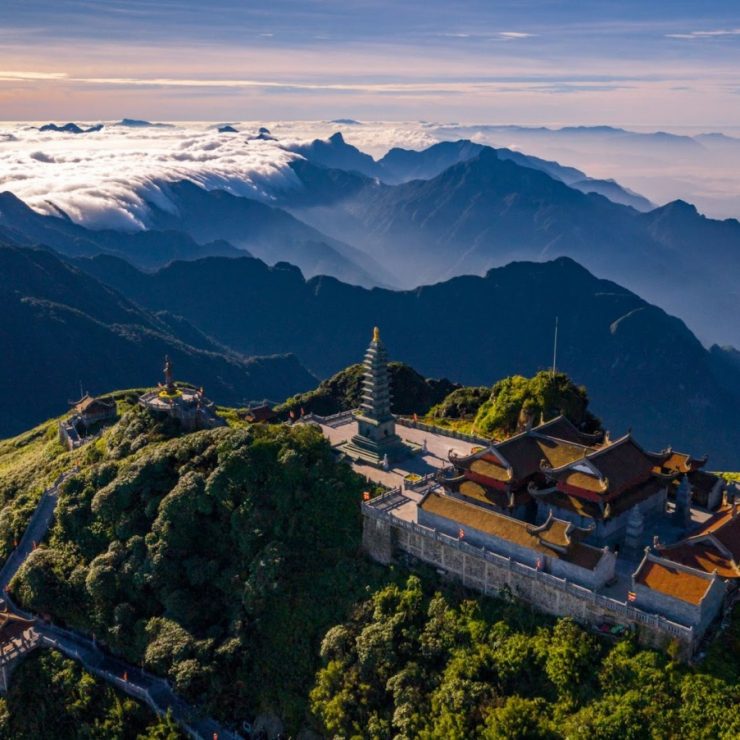
- Day 3: Sunrise at Fansipan Mountain (optional cable car) → Return to Hanoi
- Inclusions: English-speaking guide, homestay accommodation, meals, transport
- Price Range: $80–$150 USD
💡 Why it works: Affordable, social, and covers Sapa’s greatest hits in minimal time.
2. Private Custom Sapa Tours
- Best for: Families, couples, photographers, travelers with specific interests
- Customization Options:
- Multi-day treks to remote villages (e.g., Bản Hồ, Nậm Pung)
- Photography-focused itineraries during golden hour or harvest season
- Cultural workshops: Learn batik dyeing with Red Dao women or rice wine making
- Accommodation Choices: From rustic homestays to luxury resorts like Victoria Sapa Resort
- Price Range: $120–$300+ USD per day
✅ Ideal for: Those who value flexibility, privacy, and deeper cultural engagement.
3. Fansipan Mountain Expeditions
- Vietnam’s “Roof of Indochina” (3,147m / 10,325 ft)
- Options:
- Cable Car Ride: 20-minute ascent with panoramic views (great for families or limited mobility)
- 3–4 Day Summit Trek: Challenging but rewarding; requires fitness and acclimatization
- Best Time: October–April (clear skies, cool temps)
- Tip: Combine with a spiritual visit to Sun World Fansipan Legend complex (Buddhist statues, prayer bells)
4. Ethical & Community-Based Tourism Tours
- Focus: Supporting local livelihoods, minimizing environmental impact
- Features:
- Guides from ethnic minority communities
- Homestays owned and operated by local families
- Fair wages and direct income to villagers
- Recommended Operators: Sapa O’Chau (social enterprise run by Hmong youth), Ethnic Travel
🌱 Travel Responsibly: Avoid “human zoo” tours where villagers are treated as photo props. Always ask permission before taking photos.
Best Time to Visit Sapa: Seasonal Insights
| September–October | Cool, clear | Harvest season—golden rice terraces at peak beauty | High demand; book early |
| November–February | Cold, foggy (can drop to 0°C/32°F) | Fewer crowds, mystical misty landscapes | Chilly; some trails slippery |
| March–May | Mild, blooming | Spring flowers, green terraces, cultural festivals | Occasional rain |
| June–August | Warm, rainy | Lush greenery, lower prices | Leeches on trails, landslides possible |
📅 Pro Tip: Plan around ethnic market days—e.g., Bac Ha Sunday Market (2-hour drive) for authentic textile trading and local cuisine.
How to Get to Sapa: Transportation Options from Hanoi
1. Overnight Train (Most Popular)
- Operators: Livitrans, Victoria Express, Chapa Express
- Departure: 9–10 PM from Hanoi’s Tran Quy Cap Station
- Arrival: 5–6 AM in Lao Cai City → 1-hour van to Sapa
- Cabins: Soft sleeper (4-berth) or deluxe private cabins
- Cost: $30–$60 USD one-way
2. Luxury Bus (Sleeper or Minivan)
- Companies: Sapa Express, Good Morning Sapa, Eco Sapa
- Duration: 5–6 hours (via new expressway)
- Perks: Reclining seats, Wi-Fi, snacks
- Cost: $15–$25 USD
3. Private Car with Driver
- Best for: Families or groups of 3–4
- Cost: $120–$160 USD round-trip
- Flexibility: Stop at scenic viewpoints or Bac Ha Market en route
🚆 Note: The new Hanoi–Lao Cai expressway has cut travel time dramatically—making day trips possible but not recommended. Sapa deserves at least 2 full days.
Where to Stay in Sapa
- Luxury: Victoria Sapa Resort (colonial-style, mountain views, spa)
- Mid-Range: Pao’s Sapa Leisure Hotel, Sapa Horizon Hotel (modern, great balconies)
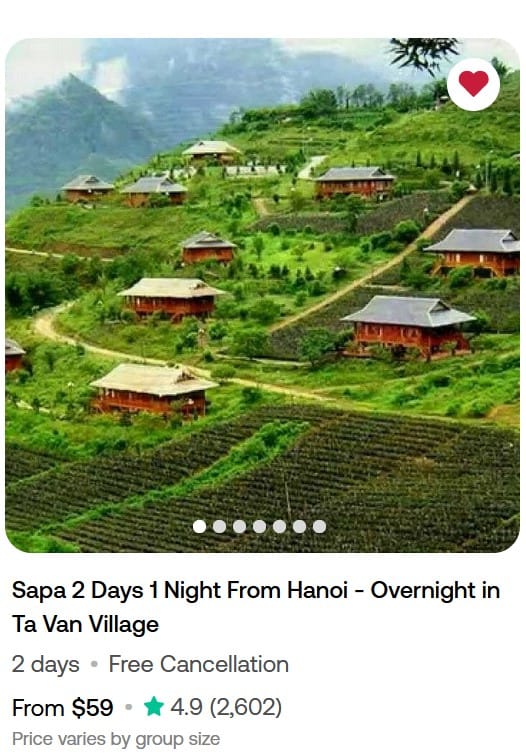
- Budget/Experience: Homestays in Ta Van or Lao Chai (basic but authentic; $10–20/night)
🏡 Homestay Tip: Expect shared bathrooms, no heating (in winter), and communal meals—but unparalleled cultural exchange.
Must-Do Experiences on Your Sapa Tour
- Trek Through Terraced Rice Fields – Walk from Sapa town to Lao Chai (8–10 km, moderate difficulty)
- Visit Cat Cat Village – Closest to town; waterfalls, craft shops, and Hmong cultural displays
- Attend a Local Market – Sapa Market (daily), Bac Ha (Sun), Can Cau (Sat)
- Try Local Cuisine:
- Thắng Cố (Hmong horse meat stew—adventurous!)
- Cơm Lam (sticky rice in bamboo tubes)
- Smoked pork with wild vegetables
- Watch Sunrise at Ham Rong Mountain – Panoramic views over Sapa town and valleys
Ethical Travel Tips for Sapa
- Hire Local Guides: Ensures income stays in the community
- Buy Directly from Artisans: Look for hand-stitched embroidery, indigo scarves, silver jewelry
- Respect Sacred Spaces: Ask before entering homes or spiritual sites
- Pack Reusable Items: Reduce plastic waste in remote areas
- Avoid Giving Candy/Money to Children: Encourages begging; support schools or cooperatives instead
Sample 3-Day Sapa Itinerary
Day 1:
- Overnight train from Hanoi → Arrive Lao Cai → Transfer to Sapa
- Check into hotel/homestay
- Afternoon: Explore Cat Cat Village
- Dinner: Local restaurant (try grilled river fish)
Day 2:
- Full-day guided trek: Sapa → Lao Chai → Ta Van
- Lunch with a Red Dao family
- Evening: Relax at hotel or visit Sapa Night Market
Day 3:
- Sunrise hike up Ham Rong Mountain
- Visit Stone Church & Sapa Market
- Return to Hanoi by train or bus
Final Thoughts: Sapa Is a Journey, Not Just a Destination
A Sapa tour is more than sightseeing—it’s a sensory and spiritual immersion into a world where nature, culture, and resilience intertwine. With thoughtful planning and respectful engagement, your visit can be both transformative and sustainable.
So lace up your hiking boots, pack a warm jacket, and get ready to wander through clouds, terraces, and timeless traditions. Sapa awaits—not just to be seen, but to be felt.